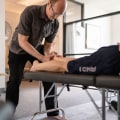
Physical therapy can play an important role in helping individuals recover from injuries, manage movement difficulties, and improve physical function. While treatment often focuses on strength, flexibility, balance, mobility, and pain management, its benefits can extend into other areas of daily life. A personalized physical therapy program can help individuals understand their physical limitations while identifying practical ways to improve movement safely. Therapists may use exercises, movement education, manual techniques, and activity recommendations based on the individual's condition and goals. By gradually building physical capacity, patients can gain greater confidence in performing everyday activities and participating in routines that contribute to a healthier lifestyle.
Encouraging Sustainable Lifestyle Changes
Recovery does not end when a therapy session is over. The habits individuals develop between appointments can influence their long-term progress. Physical therapists can help patients incorporate appropriate movement into their daily routines, whether that involves walking, stretching, strengthening exercises, or modifying activities to reduce unnecessary strain. Education is an important part of this process because patients who understand how their bodies respond to movement may feel more capable of making informed decisions about activity. Instead of relying on temporary changes, individuals can work toward sustainable habits that support mobility and physical health over time. Small, consistent adjustments can often become easier to maintain when they are connected to meaningful personal goals.
Connecting Physical and Emotional Well-Being
Physical limitations can affect emotional wellness, particularly when pain or reduced mobility interferes with work, hobbies, relationships, or independence. Individuals recovering from injuries may become frustrated when progress takes longer than expected, while those living with ongoing physical challenges may experience stress or reduced confidence. These emotional responses can influence motivation and participation in rehabilitation. Recognizing the connection between physical and emotional well-being can help create a more comprehensive recovery experience. Physical therapists can encourage realistic expectations, acknowledge progress, and communicate clearly about the recovery process. When additional emotional support is appropriate, resources such as Cabot Psychological can be part of a broader professional support network for individuals dealing with psychological challenges alongside physical recovery.
Building Confidence Through Progress
Physical therapy can also support confidence by helping individuals recognize improvements that may not always be immediately visible. Progress might involve walking farther, moving with less discomfort, improving balance, returning to a favorite activity, or completing everyday tasks more independently. Setting achievable milestones can make long-term goals feel more manageable and provide opportunities to recognize accomplishments. Patients can also learn how to respond to setbacks without assuming that temporary difficulties mean they have failed. Developing this perspective can encourage patience and resilience while reinforcing the idea that recovery is a process rather than an overnight transformation.
Creating a Whole-Person Recovery Plan
The most effective recovery strategies often consider how physical health interacts with daily habits and emotional well-being. Physical therapy can provide the movement-focused foundation, while other healthcare professionals may contribute medical, nutritional, or psychological expertise when appropriate. Communication among providers can help ensure that different aspects of care support shared goals. Ultimately, physical therapy is about more than restoring movement after an injury. It can help individuals build practical habits, regain confidence, improve independence, and reconnect with activities that matter to them. By combining personalized rehabilitation with sustainable lifestyle changes and appropriate emotional support, patients can develop a broader path toward recovery and long-term well-being.