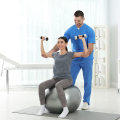
When people think about movement efficiency, they often associate it with athletics, workplace productivity, or physical fitness. The concept generally refers to performing tasks with minimal wasted effort while maintaining effectiveness and consistency. Surprisingly, this principle extends beyond exercise routines and daily mobility. One area where movement efficiency is rarely discussed is oral health. Although brushing, flossing, and maintaining dental hygiene may seem unrelated to movement patterns, the habits that support oral health often depend on routines, ergonomics, and efficient daily behaviors.
Many healthy habits succeed or fail based on how seamlessly they fit into a person's lifestyle. Individuals who establish efficient routines are often more likely to maintain consistency in self-care activities, including oral hygiene. Small decisions about how people move through their homes, organize their schedules, and structure their daily habits can significantly influence whether important oral health practices are completed regularly.
The Role of Daily Routines in Oral Health
Efficiency often begins with habit formation. People who create predictable morning and evening routines tend to experience fewer barriers to maintaining oral hygiene. When brushing and flossing become integrated into existing movement patterns, they require less mental effort and are less likely to be skipped.
For example, individuals who prepare for the next day before bedtime may naturally include oral care as part of a larger sequence of activities. In contrast, disorganized routines often create interruptions that lead to neglected self-care tasks. The connection between movement efficiency and oral health becomes apparent when examining how habits are formed and sustained over time.
Even the physical layout of a home can influence consistency. Easily accessible dental supplies, organized bathroom spaces, and thoughtfully designed routines reduce friction and encourage adherence to recommended oral care practices. These seemingly minor factors can contribute to long-term oral health outcomes.
Physical Comfort and Oral Hygiene Practices
Movement efficiency is also connected to physical comfort. Individuals experiencing mobility limitations, chronic pain, or reduced flexibility may find certain oral hygiene tasks more challenging. Standing at a sink for extended periods, reaching for supplies, or maintaining proper brushing technique can become difficult when physical discomfort is present.
In these situations, adapting routines to improve efficiency can help support better oral care. Ergonomic tools, strategic organization, and personalized hygiene approaches may reduce unnecessary effort while making daily maintenance more manageable. By improving the ease with which oral health tasks are performed, individuals are more likely to maintain consistency over time.
The relationship works in another direction as well. Poor oral health can sometimes contribute to discomfort that affects overall well-being. Dental pain, jaw tension, and untreated oral conditions may influence sleep quality, concentration, and daily performance, indirectly affecting a person's ability to move efficiently through daily responsibilities.
The Importance of Consistency and Preventive Care
One of the most significant links between movement efficiency and oral health is consistency. Effective routines minimize wasted time and energy while ensuring that essential health-related behaviors are not overlooked. Preventive dental care depends heavily on repeated daily actions rather than occasional intensive efforts.
Dental professionals frequently emphasize that long-term oral health is built through small, consistent habits. Practices such as brushing twice daily, flossing regularly, staying hydrated, and attending routine dental appointments become easier to maintain when integrated into efficient daily systems. Providers such as Zen Triangle Dentistry Cary often encourage preventive approaches because they help patients avoid more complex treatments that may arise from neglected oral care.
A Broader Perspective on Wellness
The connection between movement efficiency and oral health habits may not receive widespread attention, but it highlights the importance of viewing wellness as an interconnected system. Efficient routines support consistency, consistency supports preventive care, and preventive care contributes to better overall health. By understanding how everyday movement patterns influence personal habits, individuals can create lifestyles that make oral health maintenance more sustainable. Over time, these small improvements in efficiency can contribute to healthier smiles, reduced stress, and a stronger foundation for long-term well-being.